How much can I spend per day? Work out a daily budget in 5 steps
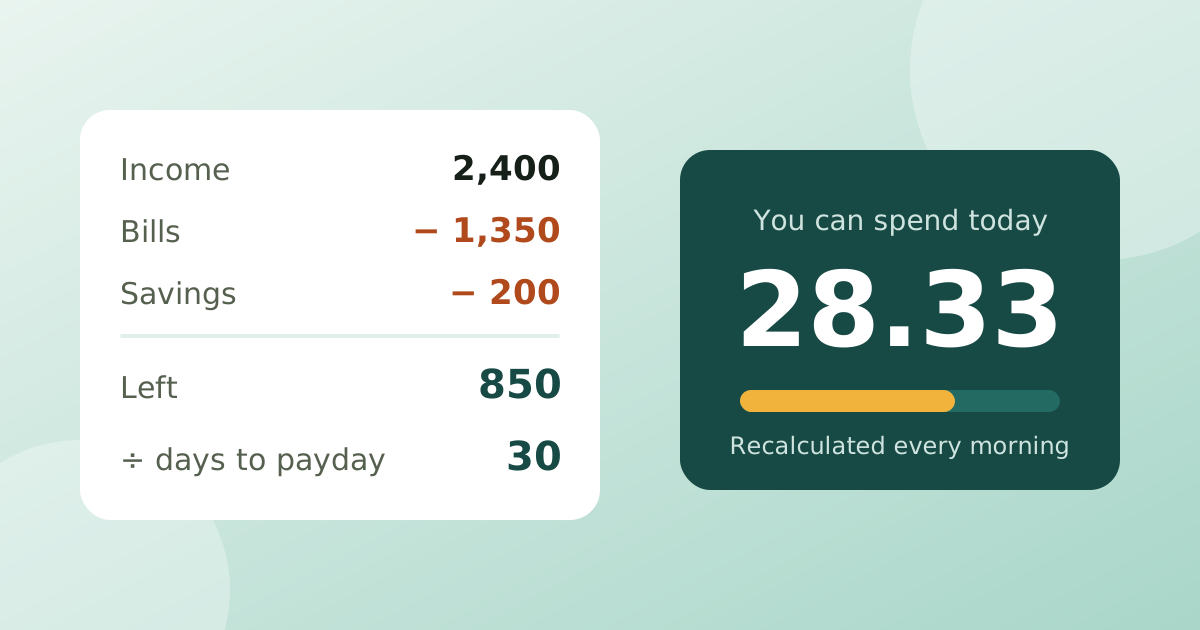
A daily budget is what is left after bills and savings, divided by the days until payday. One number you can act on at the checkout, recalculated each morning.
Read article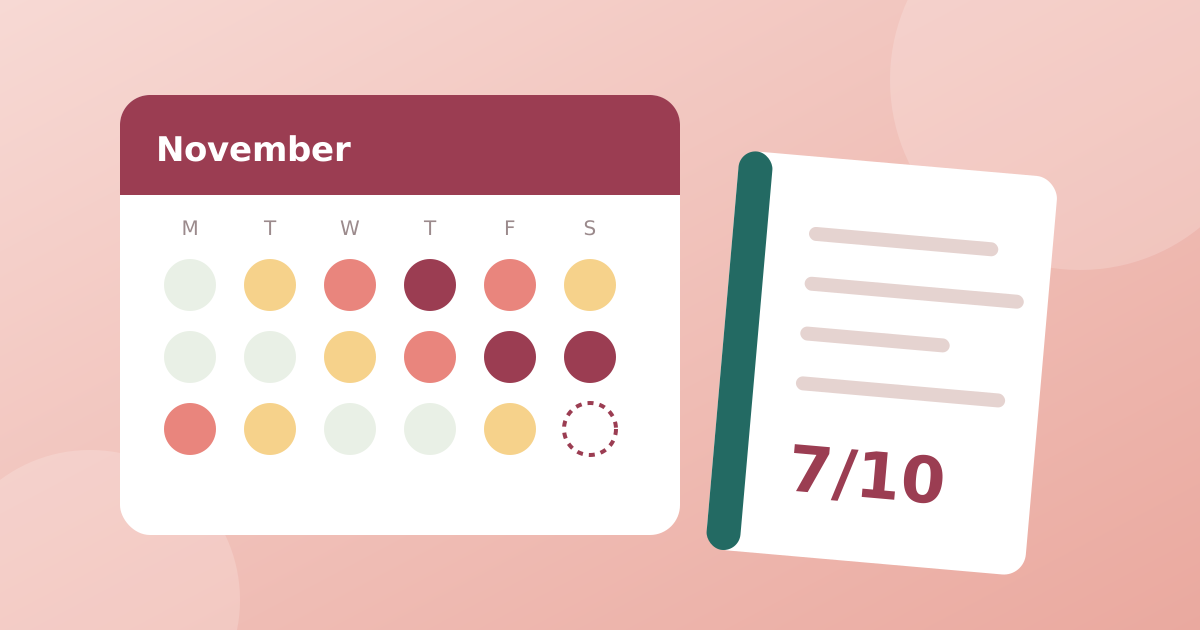
An endometriosis symptom diary should record a daily pain score from 0 to 10, where and what kind of pain, bleeding, other symptoms, medication and how the day went. Endometriosis and adenomyosis are hard to explain in a ten-minute appointment. Pain changes from day to day, symptoms are spread across the body, and on a good day it is easy to forget how bad the last bad one was. A symptom diary gives you dates and numbers instead of "it's been a rough few months".
This article is general information, not medical advice. A diary helps you describe what you experience; it cannot diagnose anything. Talk to your doctor about your symptoms and what to do about them.
Rate your worst pain of the day from 0 to 10. A number is quick, and it can be compared month to month. Decide what the numbers mean to you and keep it consistent. A common convention is that 4 and above interferes with your day and 7 and above is severe.
Note the location (lower abdomen on the left or right, lower back, thighs, rectal pain) and the type: cramping, stabbing, burning, aching or radiating. Doctors ask about both, and "lower left, stabbing" is more useful than "pain".
Endometriosis is often asked about in separate parts: pain during your period, pain during or after sex, pain with bowel movements, pain when urinating and pelvic pain outside your period. Scoring each from 0 to 10 now and then, even weekly, covers the questions you are most likely to be asked.
Record bleeding from spotting to very heavy. It places pain inside your cycle and shows changes in cycle length or flow.
Bloating, fatigue, nausea, bowel and bladder symptoms, headaches, brain fog and low mood all belong. They are often the symptoms that get dropped from the story because they feel unrelated.
Log what you took and roughly when, and whether it helped. This is what a doctor needs to judge whether a treatment is doing its job.
A simple yes or no for missed work, worked through pain, stayed in bed, cancelled plans or went to the emergency room. These are the entries that tell the real story, and they matter for sick-leave conversations and benefit assessments.
Sleep, stress, food and activity are worth tracking if you have the energy, with a caution. A single bad day after a particular food proves nothing. Patterns only mean something after weeks of entries, so treat them as questions to take to your doctor, not conclusions.
The diary that works is the one you actually fill in. On a bad day, log the pain number and nothing else, and add detail later or not at all. A gap in the diary is fine. What matters is that on most days there is at least one number. Log at the same time every day, for example with a reminder, so it becomes routine rather than a decision.
A pile of daily entries is hard to read in a short appointment. Before you go, boil the last one to three months down to a page:
Bring it printed or on your phone, and offer it at the start. It is your account, in your words and numbers, and it does not replace the examination.
A symptom diary is sensitive health data, and you may also want to read about health and symptom tracking in general. Before choosing a notebook, spreadsheet or app, check where the entries are stored, whether there is an account, whether anything is shared with advertisers or analytics services, and whether you can export and delete everything. On paper, a notebook in a drawer is private by default. In an app, look for one that keeps entries on your device.
Endly is our private endometriosis and adenomyosis symptom tracker, coming soon to Android and iPhone. It follows the approach above: log your pain in about ten seconds, mark where it hurts on a body map, rate the five endometriosis pains, and turn the entries into a two-page PDF for your doctor. There is no account, no ads and no analytics, and your entries stay on your phone.
A daily pain score from 0 to 10, where and what kind of pain, bleeding, other symptoms such as bloating and fatigue, medication and whether it helped, and how the day went (missed work, stayed in bed). Possible triggers are worth tracking if you have the energy.
Boil the last one to three months down to a page: days with pain and severe days, when in the cycle pain was worst, which pain types stood out, days affected, medication taken, and your questions. Bring it printed or on your phone and offer it at the start.
On a bad day, log the pain number and nothing else. A gap is fine. What matters is that most days have at least one number.
No. A diary helps you describe what you experience; it cannot diagnose anything. Talk to your doctor about your symptoms and what to do about them.
A daily budget is what is left after bills and savings, divided by the days until payday. One number you can act on at the checkout, recalculated each morning.
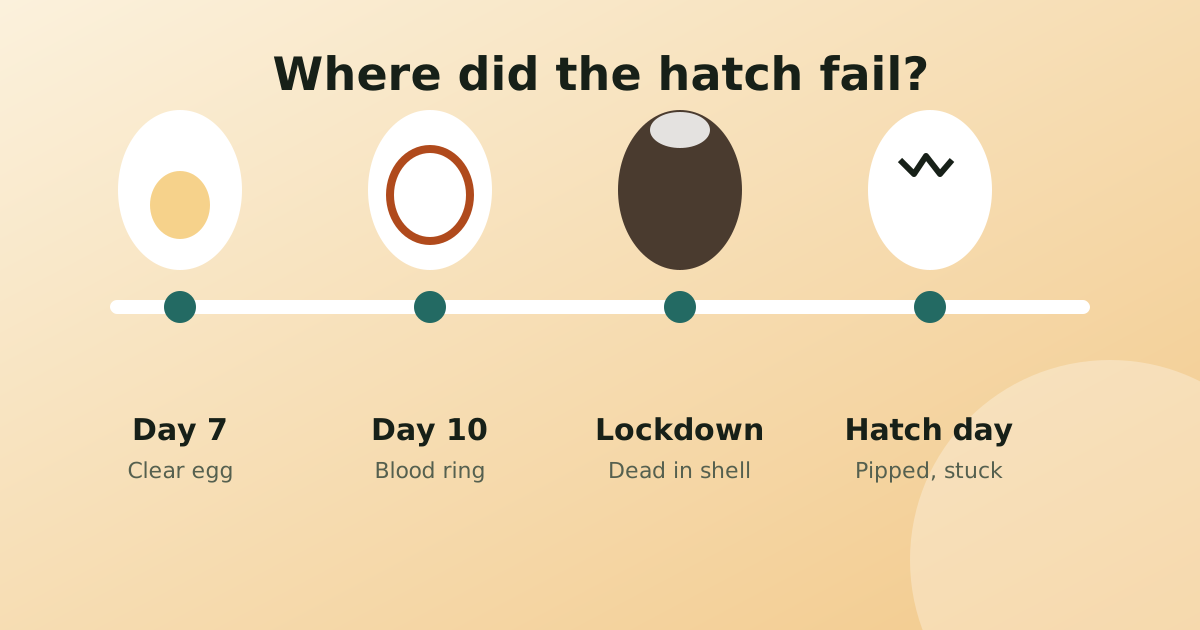
Read articleWork out why your eggs did not hatch by looking at when they failed: clear at day 7, dead at day 10, or fully formed but dead in the shell. Each stage points to different fixes.
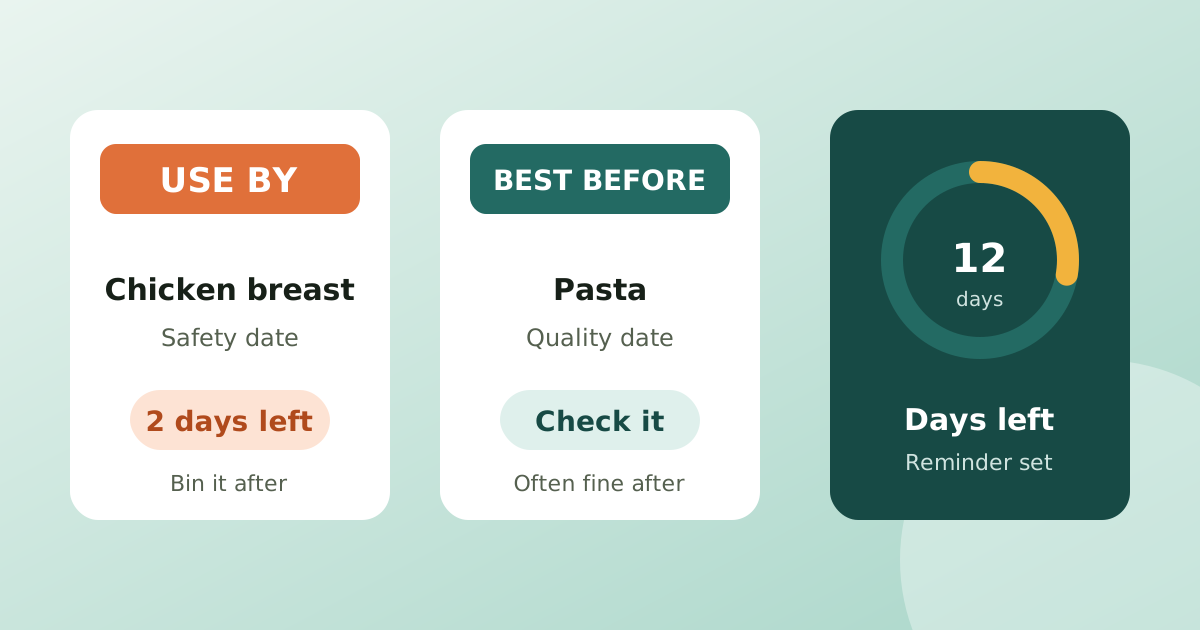
Read articleUse by is a safety date and best before is a quality date. Knowing which is which, and when a product is opened, saves food and money without taking risks.
Read articlePublished: . More in Health & symptom tracking or all articles.